Aca’s Notes · Bukit Lawang
A local tourism practitioner’s call for quality, cooperation and a bigger vision for the gateway to Gunung Leuser.
Written by Pak Aca — founder of Back To Nature Ecotourism and a forest guardian in Bukit Lawang.
Bukit Lawang is often introduced as a village tourism destination. It is a village, and we are proud of our community. But its value to Indonesia reaches far beyond that label.
For decades, international visitors have travelled to North Sumatra because they want to enter the rainforest and experience the habitat of the Sumatran orangutan. Bukit Lawang has become one of the best-known gateways to the Gunung Leuser landscape. Its name is carried home in the memories, photographs and stories of travellers from many countries.
This is why I believe Bukit Lawang should be planned, protected and supported as an international nature destination—not simply promoted as another place for a short village visit.
Beaches, tropical forests and living cultures remain among the strongest reasons people cross borders to travel. Latin America has the Amazon. African destinations are known for their great wildlife landscapes. Indonesia has extraordinary natural assets of its own: Komodo dragons, tropical seas, Bornean rainforests and the unique biodiversity of Sumatra.
Gunung Leuser is especially important. Its hills, rivers and rainforests provide habitat for rare species including Sumatran orangutans, elephants, tigers and rhinoceroses. Not every visitor will see every animal—and responsible guides must never promise that—but the possibility of encountering truly wild nature is what makes this landscape internationally meaningful.
Bukit Lawang gives travellers a human-scale entrance to that story. Visitors meet local guides, stay with local families, walk through forest, learn how wildlife behaves and see why this ecosystem must remain standing.
A famous destination cannot depend on reputation alone. If Bukit Lawang wants to remain competitive and responsible, we need to improve the quality of the full visitor experience:
These are not luxury additions. They are the foundations of a nature destination that wants to welcome the world without damaging the place people came to experience.
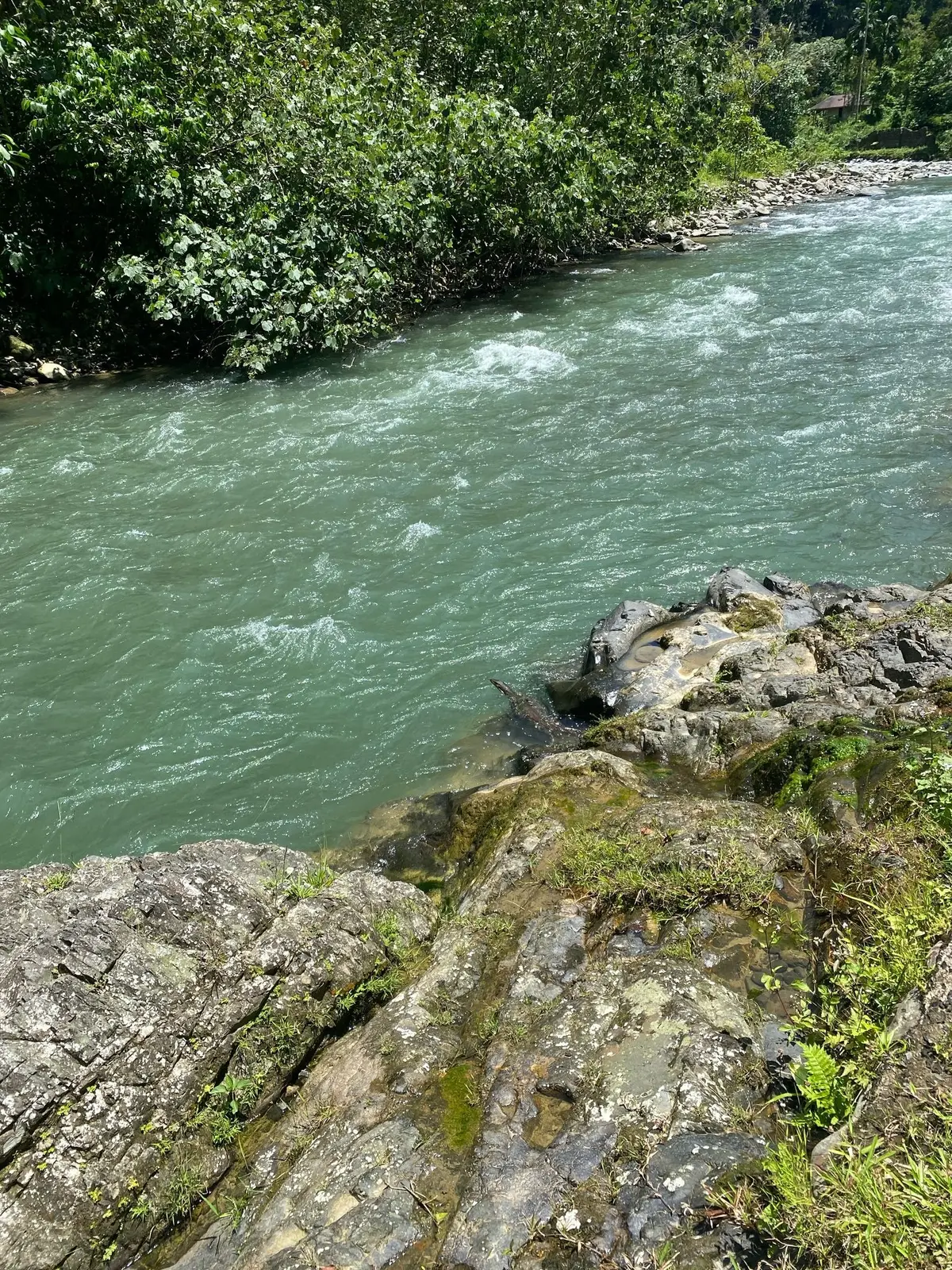
Many parts of Bukit Lawang’s tourism landscape were built through years of local initiative and collective work. Earlier generations cleared paths, improved access and created small bridges so people could move more safely beside the Bohorok River. Landowners, tourism workers and residents contributed because they believed the destination could create a better future.
Some of those pioneers are now elderly, and others have passed away. Younger generations may see a path or bridge without knowing how much voluntary work made it possible. Remembering that history matters because the next stage of Bukit Lawang will also require action—not only discussion.
“We do not need to wait for an award before improving our destination. The forest, the river and the people are already our responsibility.” — Pak Aca
Tourism development is sometimes measured by the number of buildings, attractions or photo spots created. But Bukit Lawang’s greatest strength is not something we need to manufacture. It is the relationship between the Bohorok River, the rainforest, wildlife and community life.
Facilities should help visitors appreciate that landscape. Viewpoints belong where they reveal the river and forest—not where natural character is replaced by unrelated construction. Paths should improve safety while preserving the experience of walking into nature. Accommodation should respect the capacity of the area instead of competing to occupy every remaining open space.
If development hides the forest, pollutes the river or pushes out local people, Bukit Lawang becomes less valuable even when visitor numbers rise.
Local businesses and residents can do much, but some needs require cooperation with public institutions, national-park management and tourism organisations. Destination planning, safety infrastructure, environmental standards and worker protection cannot be solved by one guide or guesthouse alone.
At the same time, local people should not wait passively. We can improve service, cleanliness, professional conduct and cooperation now. We can share accurate information with guests. We can stop practices that put wildlife or visitors at unnecessary risk. We can support businesses that return value to the community and forest.
Calling Bukit Lawang a tourism village is not an insult. Community is one of our greatest strengths. The problem appears when that label reduces the scale of our ambition or hides the destination’s international ecological importance.
Bukit Lawang has influenced how visitors understand North Sumatra for many years. It can continue to attract travellers seeking orangutans, rainforest and meaningful local connection. But success should not be measured only by how many people arrive. It should be measured by whether the forest remains healthy, whether wildlife is treated with respect, whether workers are protected and whether the community gains a sustainable future.
We do not need to copy Thailand, the Amazon or Africa. We need to recognise what is already extraordinary here—and care for it with the seriousness it deserves.
Read about the story behind Back To Nature, compare our ethical rainforest treks, or discover what it is like to stay at the forest edge. Our local team can help you plan a responsible visit.
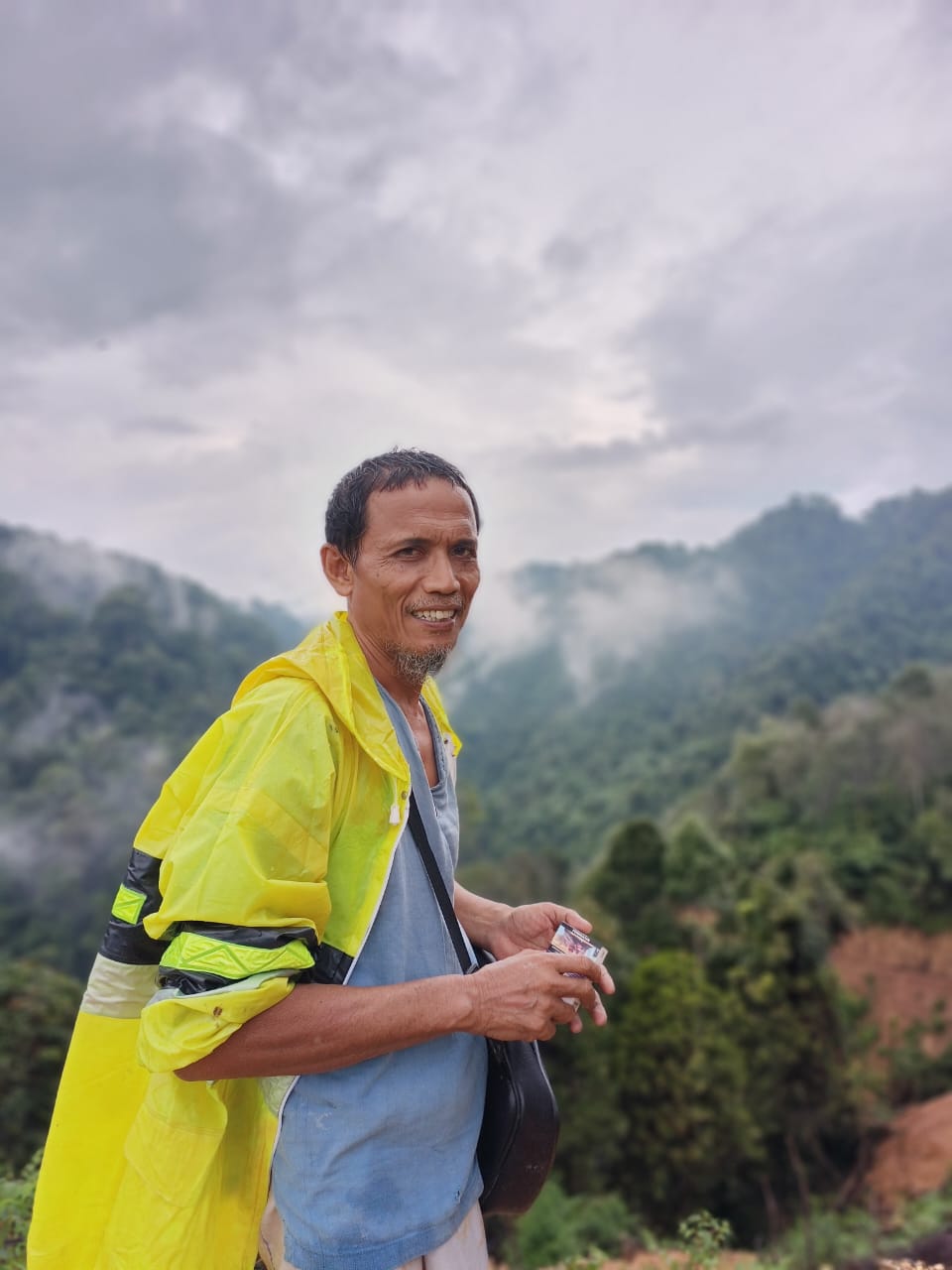
About the writer
Founder of Back To Nature Ecotourism and guardian of approximately 110 hectares of private forest near Gunung Leuser. His notes connect local experience, conservation and community life.
This article was developed from Pak Aca’s original Indonesian notes. The English editing preserves his perspective while presenting it clearly for an international audience. Statements about destination development reflect the author’s opinion.