3 hours · First encounter
A gentle introduction
Forest walking and wildlife observation for travellers with limited time or lower stamina.
€55 ppPlan this trek →
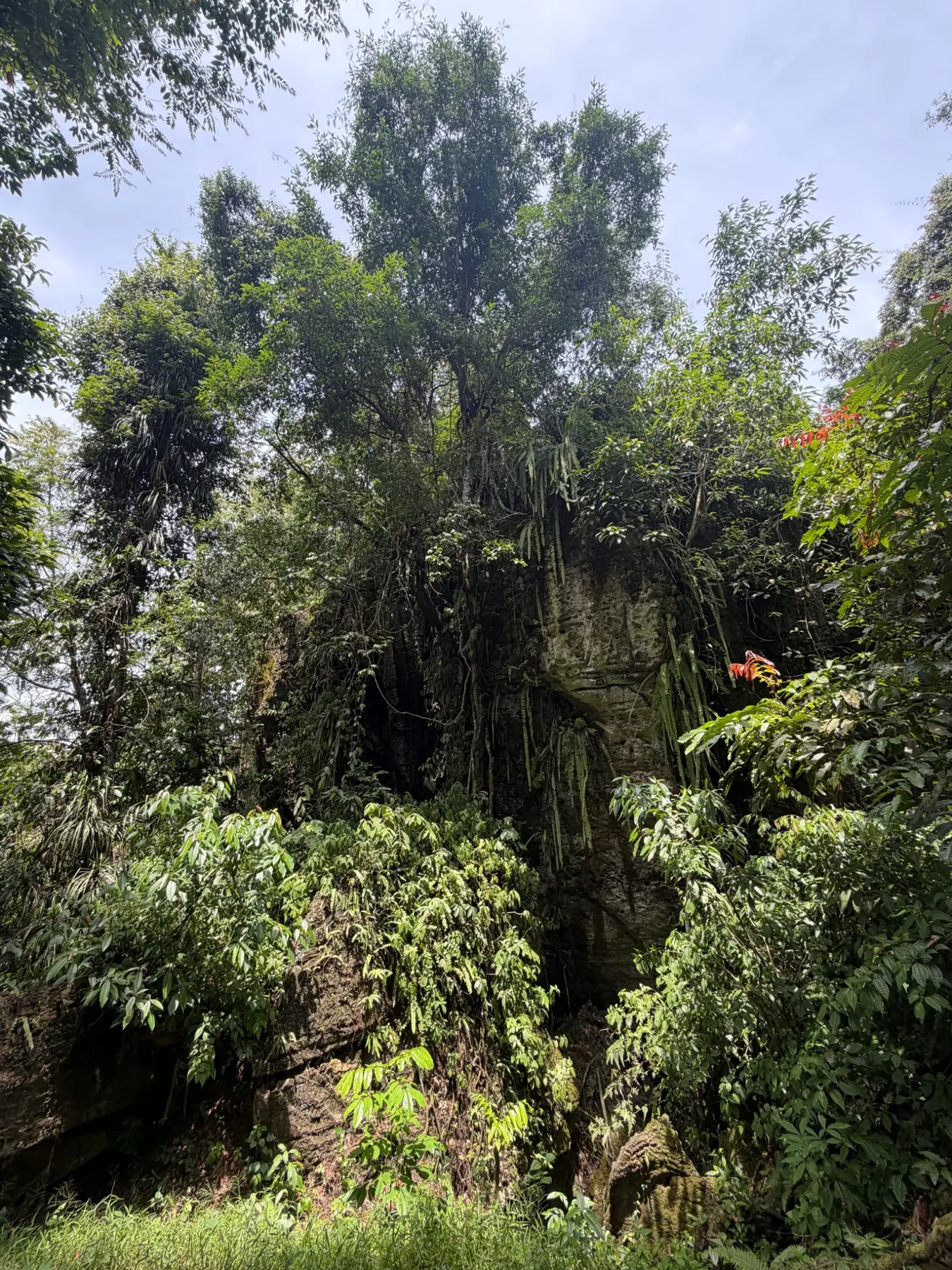
Bukit Lawang · Gunung Leuser
Meet the wildlife. Follow quieter trails. Share a meal beneath the canopy. Explore the Sumatran rainforest with licensed local guides, from a few meaningful hours to a multi-day adventure.
A glimpse of your jungle journey
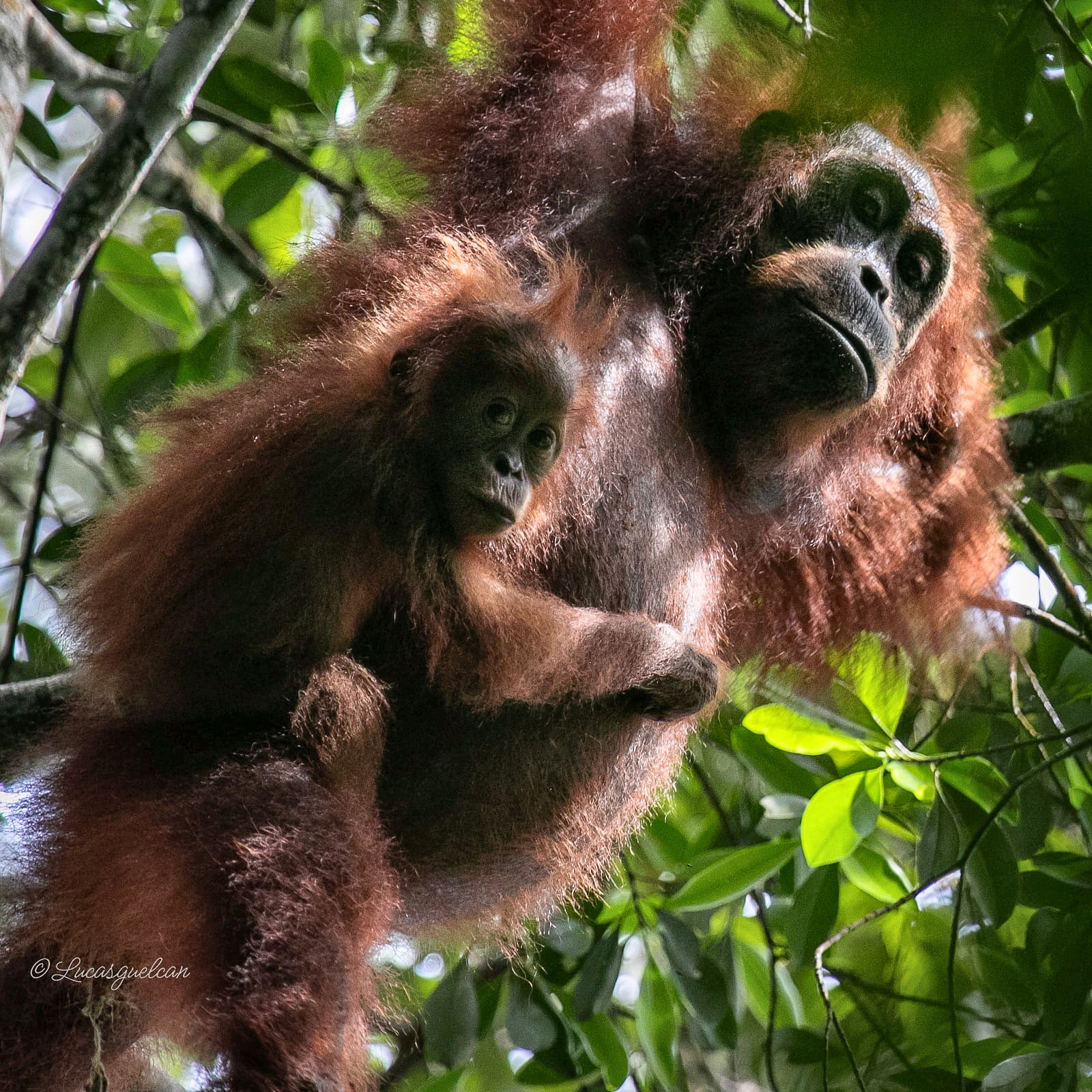
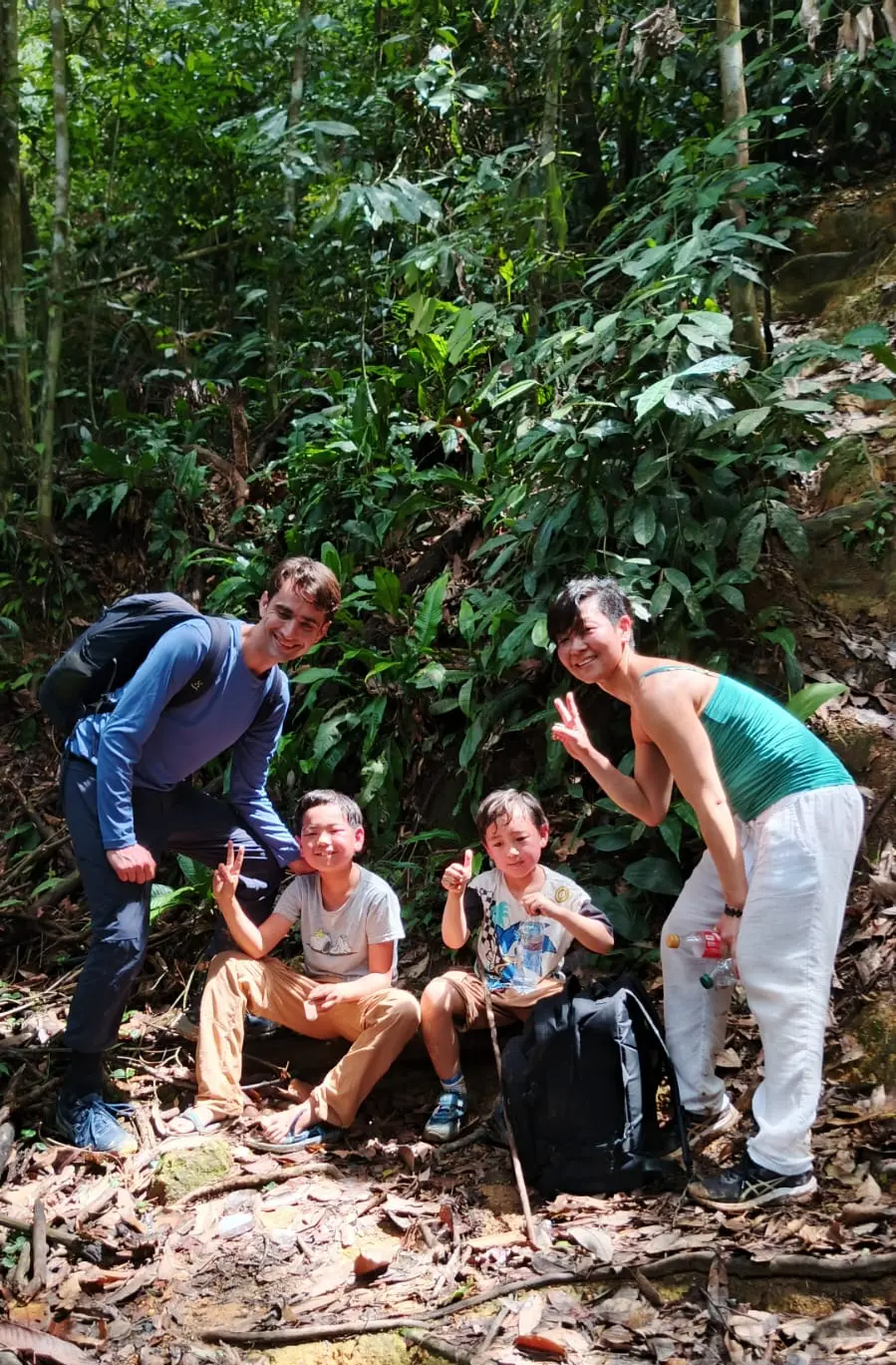
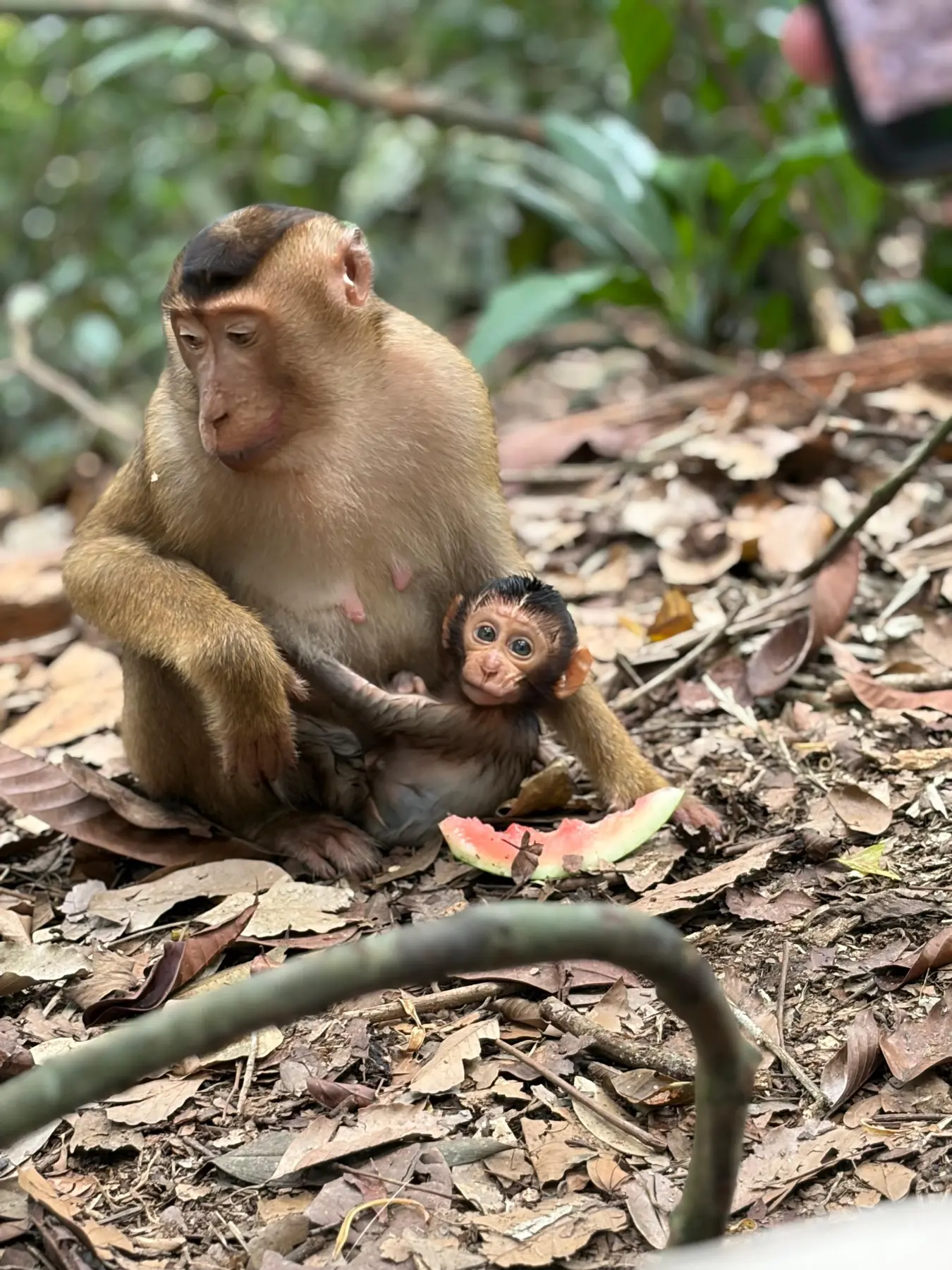
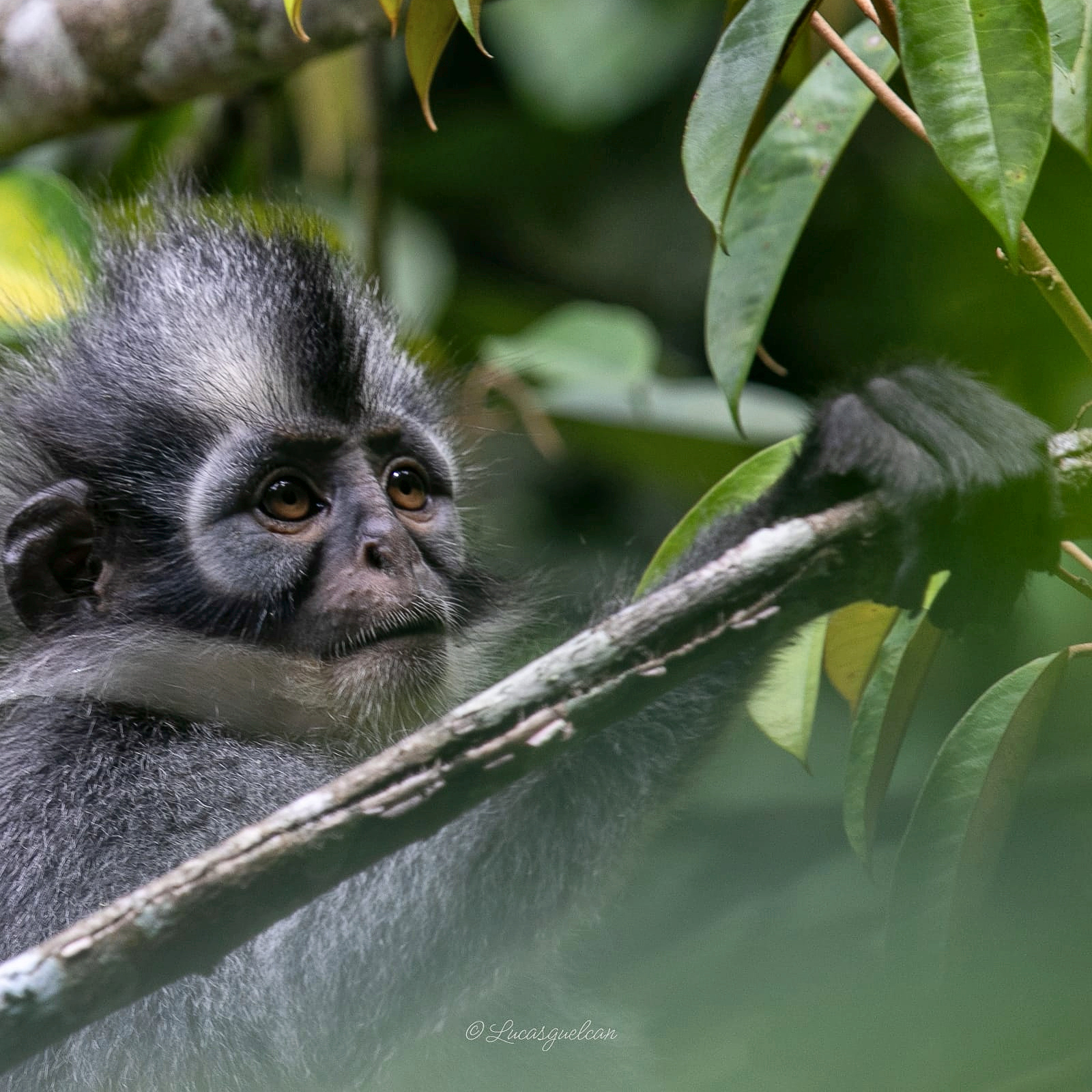
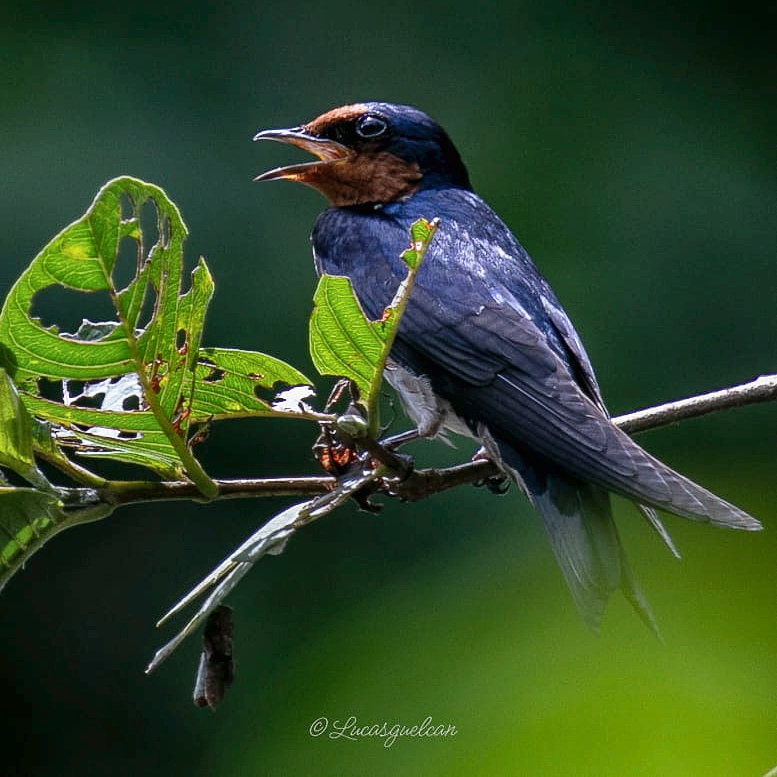
Wild encounters are never staged or guaranteed. The forest decides.
Stay & Trek · Direct booking offer
Book a jungle trek of 4 days / 3 nights or longer and enjoy a free night at Back to Nature before your adventure. Arrive, settle in, and wake up ready for the rainforest.
Minimum 2 paying guests · One standard room for 2 · Night before trekking · Subject to availability. Breakfast, transport and room upgrades are charged separately.
Private forest and river experiences
Choose a shorter guided experience around our private forest and the Bohorok River.
Walk through Back to Nature’s private forest after dark with a local guide, listening for nocturnal wildlife and discovering how the rainforest changes at night.
Walk upstream through our private forest, spend time beside the Bohorok River, then tube back with our team when river and weather conditions are safe.
These private-forest experiences complement our Gunung Leuser orangutan treks; wildlife sightings are never staged or guaranteed.
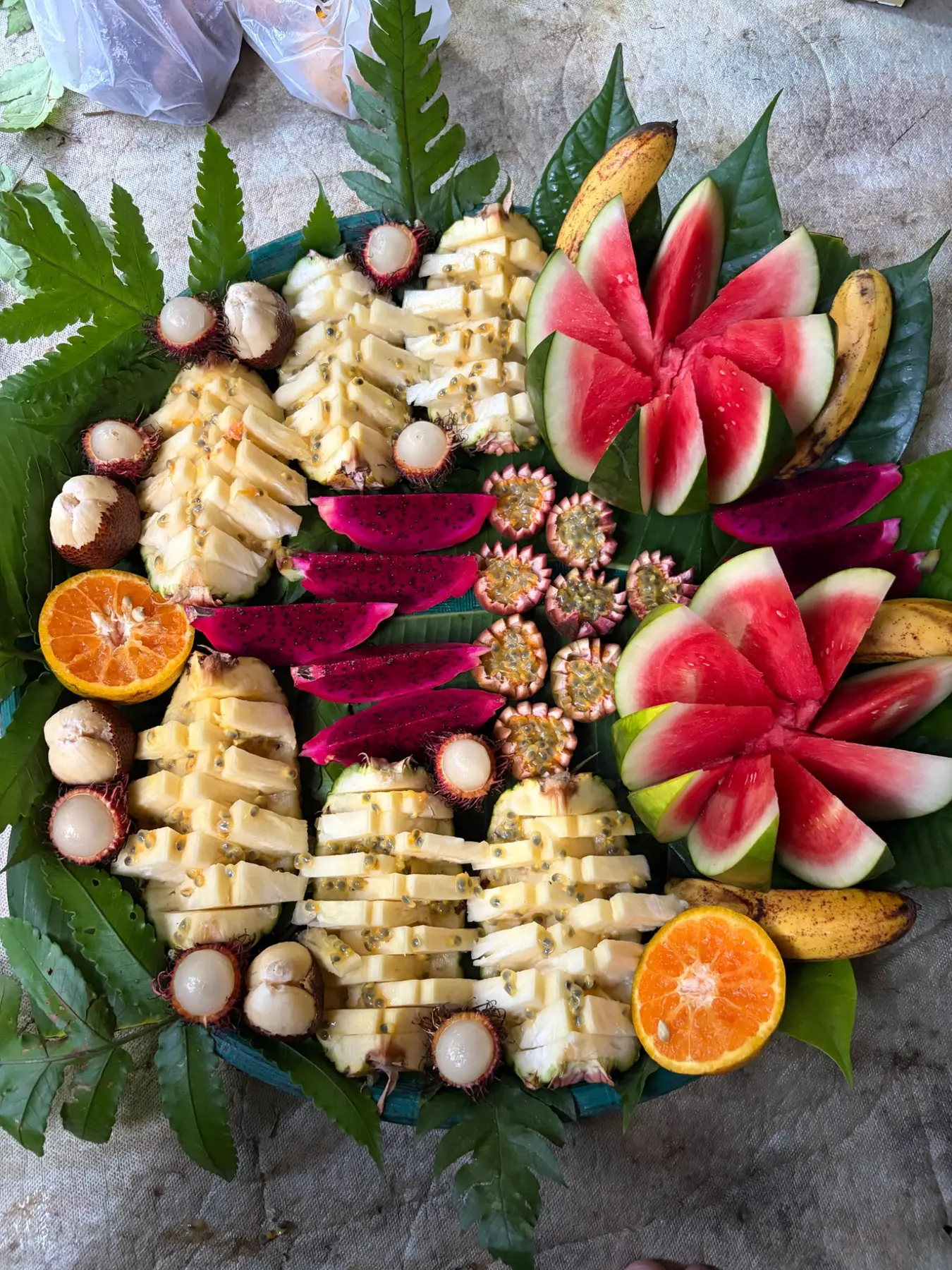
Fruit Time · a pause worth remembering
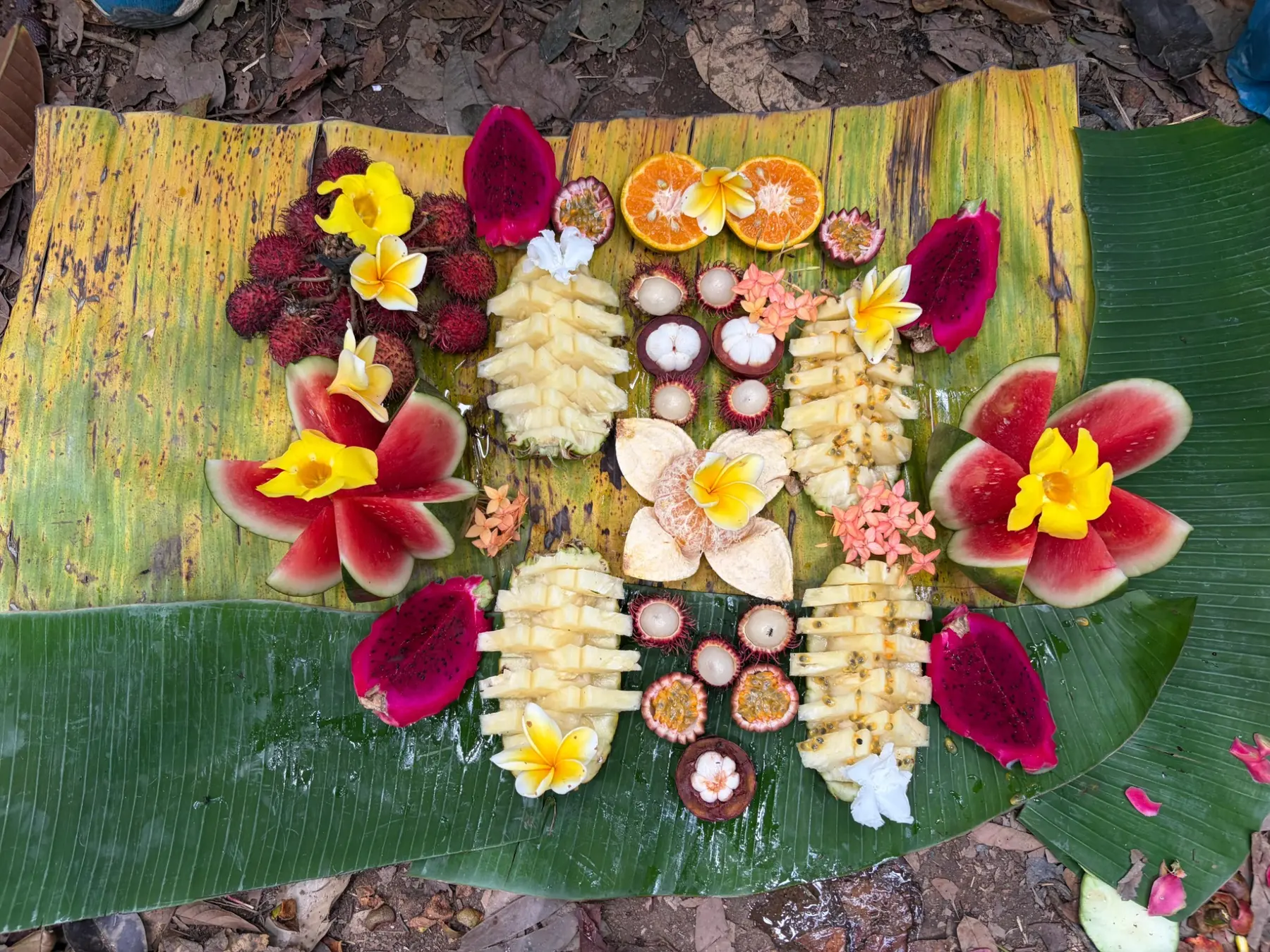
Fruit Time is more than a snack stop. Guides prepare seasonal tropical fruit on banana leaves, creating a simple shared moment where the pace slows and the forest surrounds you.
The selection changes with the season—pineapple, watermelon, rambutan, mangosteen, passion fruit and whatever is fresh locally.
A flexible journey, not a rigid timetable
Start around 08:00–09:00, review safety and adjust the route to your group.
Walk slowly while your guide explains wildlife behaviour, plants and forest life.
Pause for fruit and meals. Weather, wildlife movement and energy shape the route.
Simple tarp or tent, mattress, blanket and mosquito net. Basic by design.
Overnight treks often finish with tubing when river and weather conditions are safe.
Typical overnight return: approximately 14:00–15:00 on the final day.
Wildlife first
Gunung Leuser is a living ecosystem. Orangutans and other animals choose where they move. Longer duration creates more time to observe—it never buys certainty.
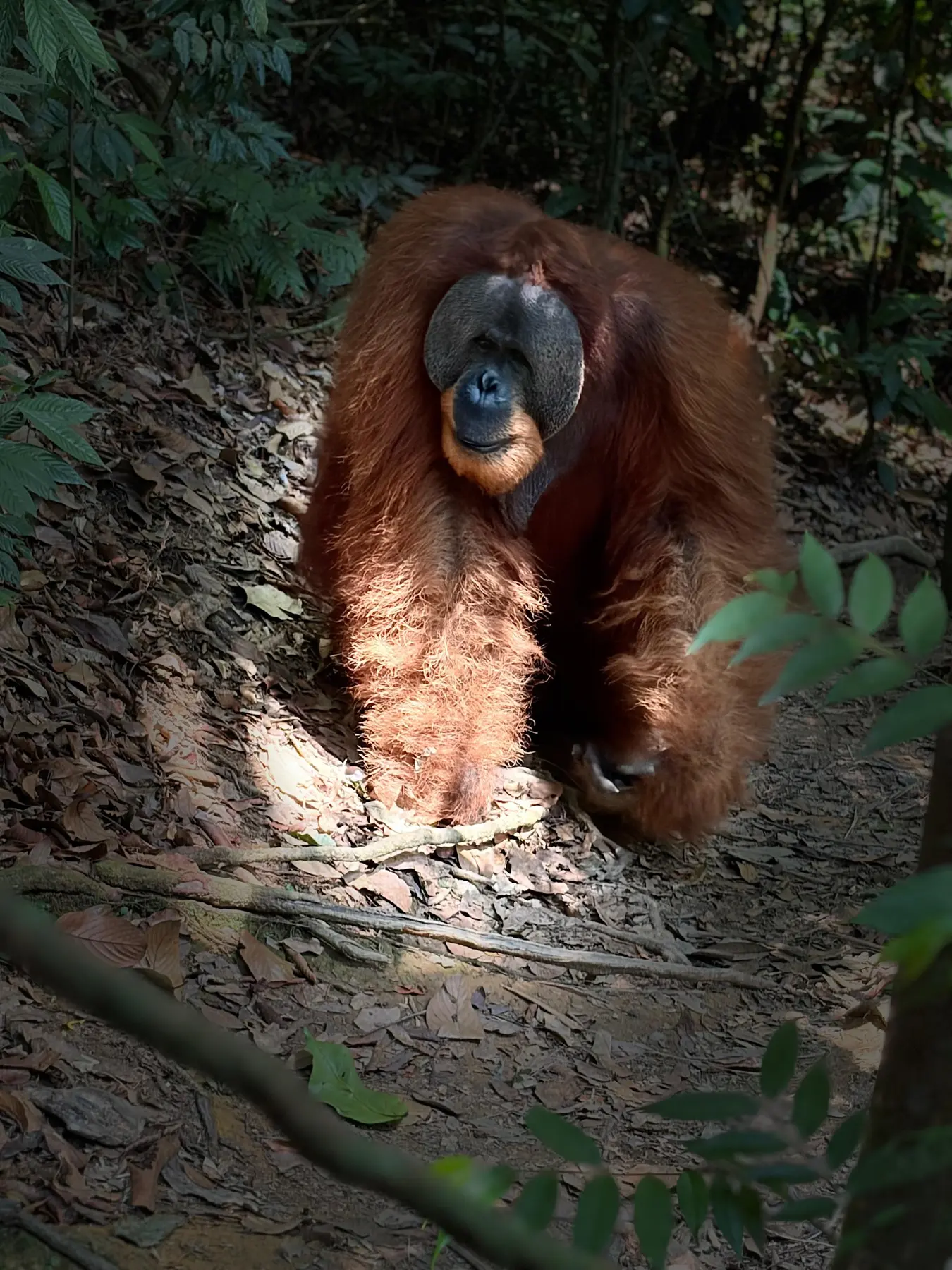 Observed respectfully
Food changes natural behaviour and creates risks for animals and visitors.
Our guides read the animal’s behaviour and choose when it is time to move.
Less noise means a calmer encounter and a more honest forest experience.
Carry waste out and leave plants, stones and natural objects where they belong.
The forest is also home to macaques, gibbons, Thomas leaf monkeys, hornbills, reptiles, insects and countless plants. The richest trek is the one where curiosity is wider than a checklist.
Still deciding?
Tell us your dates, group size, fitness and comfort level. We will recommend the journey that lets you experience the rainforest safely, slowly and meaningfully.
Plan my trek with a local guide