Aca’s Notes · Community Stories
The paths, bridges and riverside spaces visitors use today carry the work of generations.
Written by Pak Aca — founder of Back To Nature Ecotourism and a forest guardian in Bukit Lawang.
Visitors arriving in Bukit Lawang see footpaths, small bridges, guesthouses and places to rest beside the Bohorok River. It is easy to think these things have always been here. They have not.
Much of the tourism landscape people enjoy today grew from years of community effort. Earlier generations gave their time, labour, ideas and sometimes parts of their own land because they believed Bukit Lawang could offer a better future.
This story matters. A destination is not built only by government projects or tourism businesses. It is also built by ordinary people who decide to work together before there is any guarantee of reward.
There was a time when areas that are now reached comfortably could only be approached on foot. Paths were narrow and difficult. Moving supplies was hard, and using a motorbike could be dangerous.
People worked together to improve access step by step. They cleared routes, repaired difficult sections and returned for more communal work when the first solution was not enough. Each improvement made daily life safer and helped visitors move through the area more easily.
What looks like a simple path today may represent many days of unpaid labour by people whose names most visitors will never know.
The tourism route beside the Bohorok River stretches for approximately five kilometres. Much of it has gradually filled with buildings and commercial activity. The remaining open sections—particularly the river and forest landscape between established businesses and natural landmarks—are especially valuable.
These spaces support many activities. International visitors walk toward the forest. Local families enjoy the river. Guides meet guests, porters carry supplies, and small businesses earn income. The money circulating here reaches far beyond accommodation owners.
That is why every remaining open view of the river and forest should be planned carefully. Once a natural corridor is covered by uncontrolled construction, it is extremely difficult to recover.
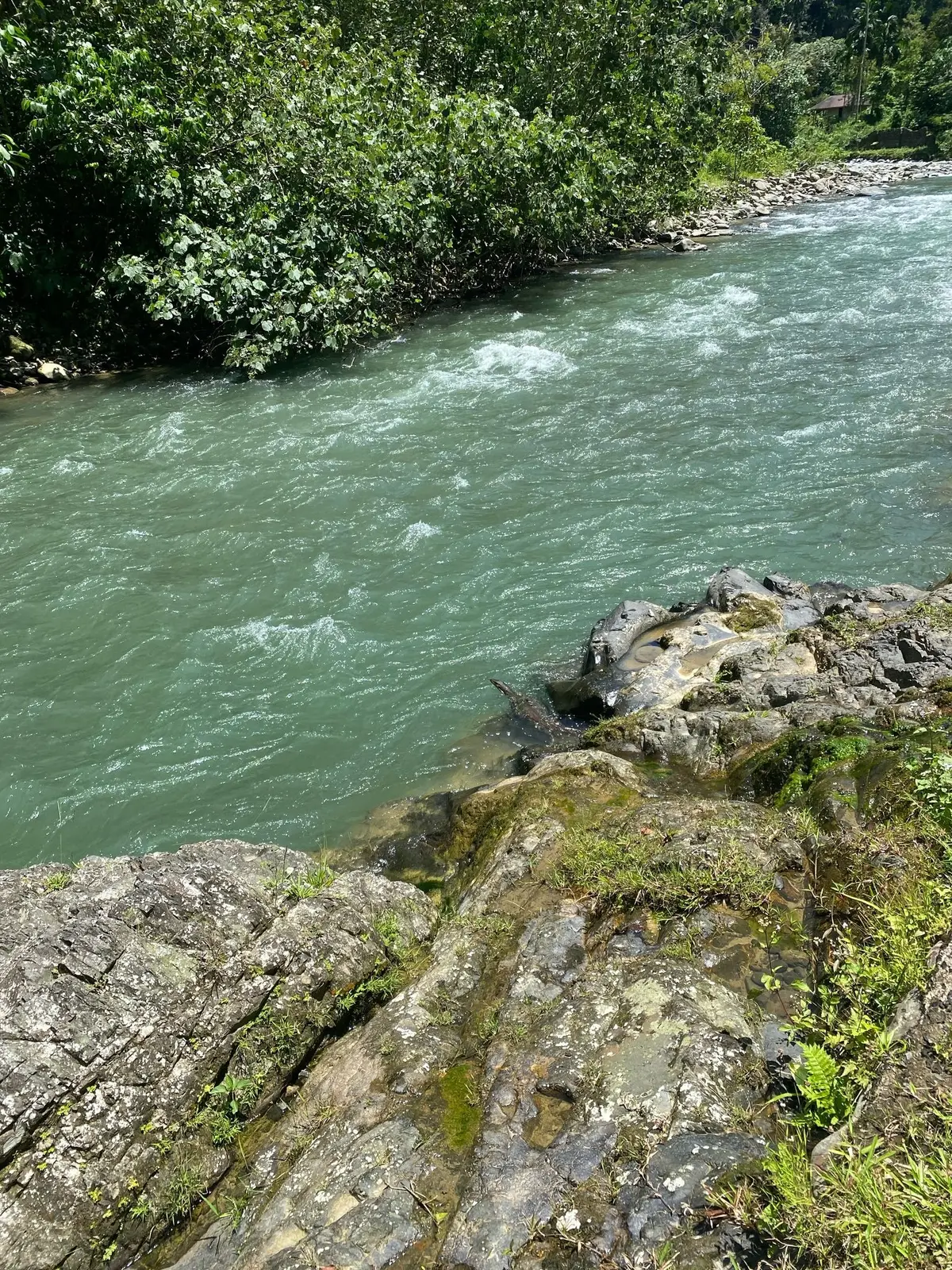
Pak Aca’s original notes describe the temporary construction of a small bridge along the Bukit Lawang tourism route. The practical purpose was simple: make movement safer and allow visitors to appreciate the river and forest from a better position.
But the bridge also represented cooperation. Landowners made space available. Community organisations shared ideas. Local workers contributed their skills. Individuals supplied materials, time and support.
“Development is not only about building something new. It is about people deciding that a shared place is worth caring for.” — Pak Aca
A viewpoint beside the Bohorok River should reveal what makes Bukit Lawang special: flowing water, rainforest and the movement of local life. A photo spot surrounded by unrelated construction may attract a quick picture, but it does not communicate the identity of the destination.
Many of the people who first fought to improve Bukit Lawang are now elderly, and some have passed away. Their contribution can disappear from memory even while the infrastructure they helped create remains in daily use.
Younger generations deserve to know this history. Not so they feel guilty, but so they understand that tourism development has always required responsibility and action.
Every generation inherits something unfinished. Earlier residents made access possible. The present generation must protect the river, improve cleanliness, raise professional standards and prevent the last natural spaces from being lost. Future generations will judge what we chose to preserve.
It is easy to say we care about Bukit Lawang. The more difficult question is what that care produces.
Care becomes meaningful when it turns into work: joining a clean-up, maintaining a path, contributing materials, sharing accurate visitor information or protecting an open space from careless development.
The phrase “community-based tourism” is now used widely. But the label means little unless residents have a real voice and receive real benefits.
Tourism in Bukit Lawang supports guides, assistant guides, porters, cooks, drivers, farmers, builders, shopkeepers and accommodation teams. A stronger destination should expand those opportunities while protecting the natural assets on which every business depends.
Community participation is not only consultation after a plan has already been decided. Local knowledge should help shape paths, viewpoints, safety systems, waste management and the use of riverside land from the beginning.
Bukit Lawang was not created by one person or institution. It grew through the courage and persistence of many people over many years. That history should give us confidence.
We still have weaknesses. Infrastructure needs improvement. Cooperation is not always easy. Natural spaces face pressure. But weakness can become a place to learn, and disagreement does not have to stop action.
If residents, tourism workers, landowners, organisations and public institutions work with a shared vision, Bukit Lawang can remain welcoming to local visitors and internationally respected as a gateway to Gunung Leuser.
The forest and river are not only ours. They are part of a world heritage landscape and a responsibility we hold for those who come after us.
Discover the people and conservation story behind Back To Nature, stay at our riverside rainforest eco-lodge, or explore Bukit Lawang with a licensed local trekking team. When you are ready, plan your visit directly with us.
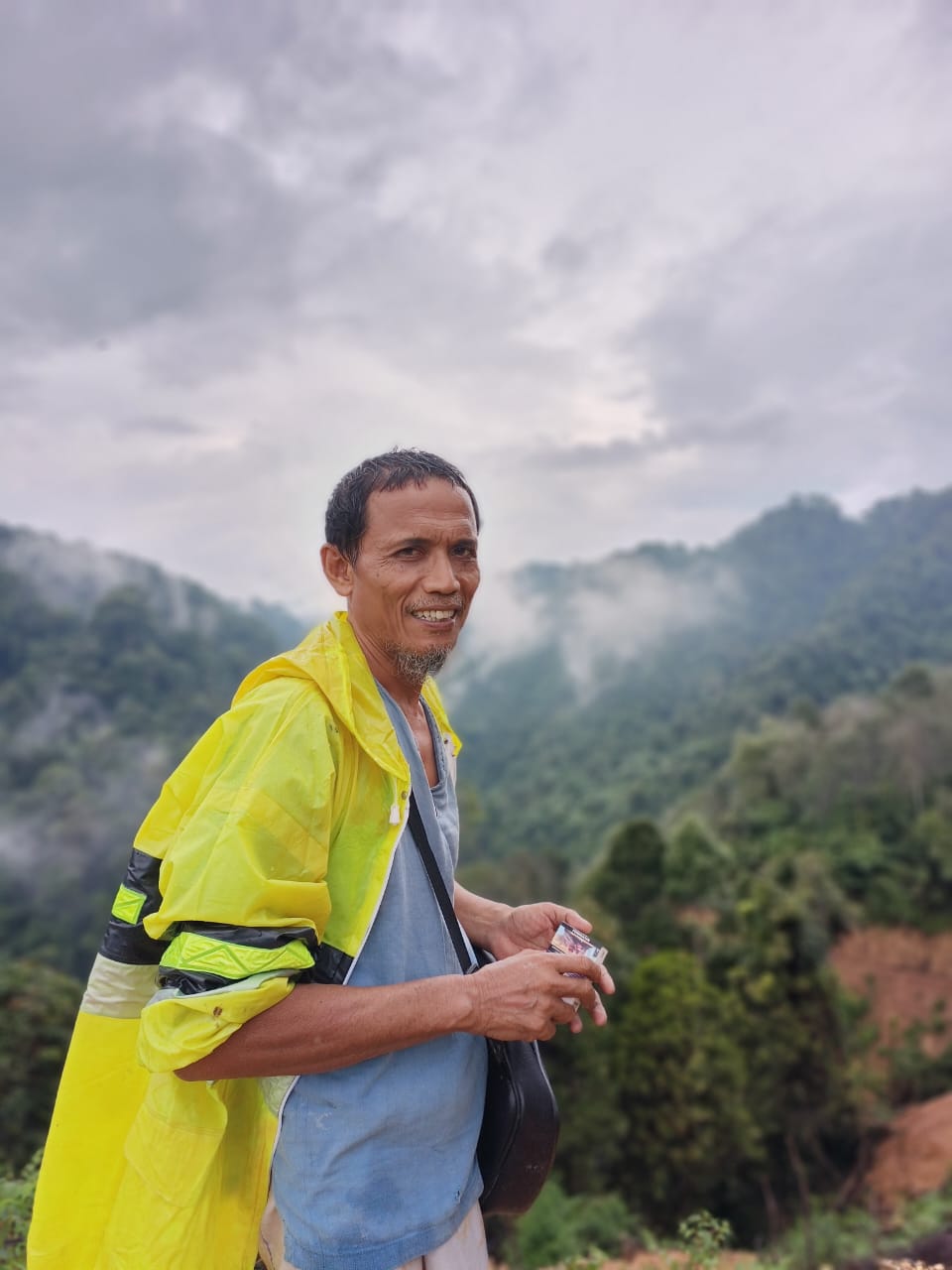
About the writer
Founder of Back To Nature Ecotourism and guardian of approximately 110 hectares of private forest near Gunung Leuser. His notes connect local experience, conservation and community life.
This article was developed from Pak Aca’s original Indonesian notes. The English editing preserves his perspective while organising it for an international audience. Approximate distances and historical recollections reflect the author’s local experience.