Aca’s Notes · Forest Conservation
Pak Aca’s vision for conservation through ecotourism in Bukit Lawang.
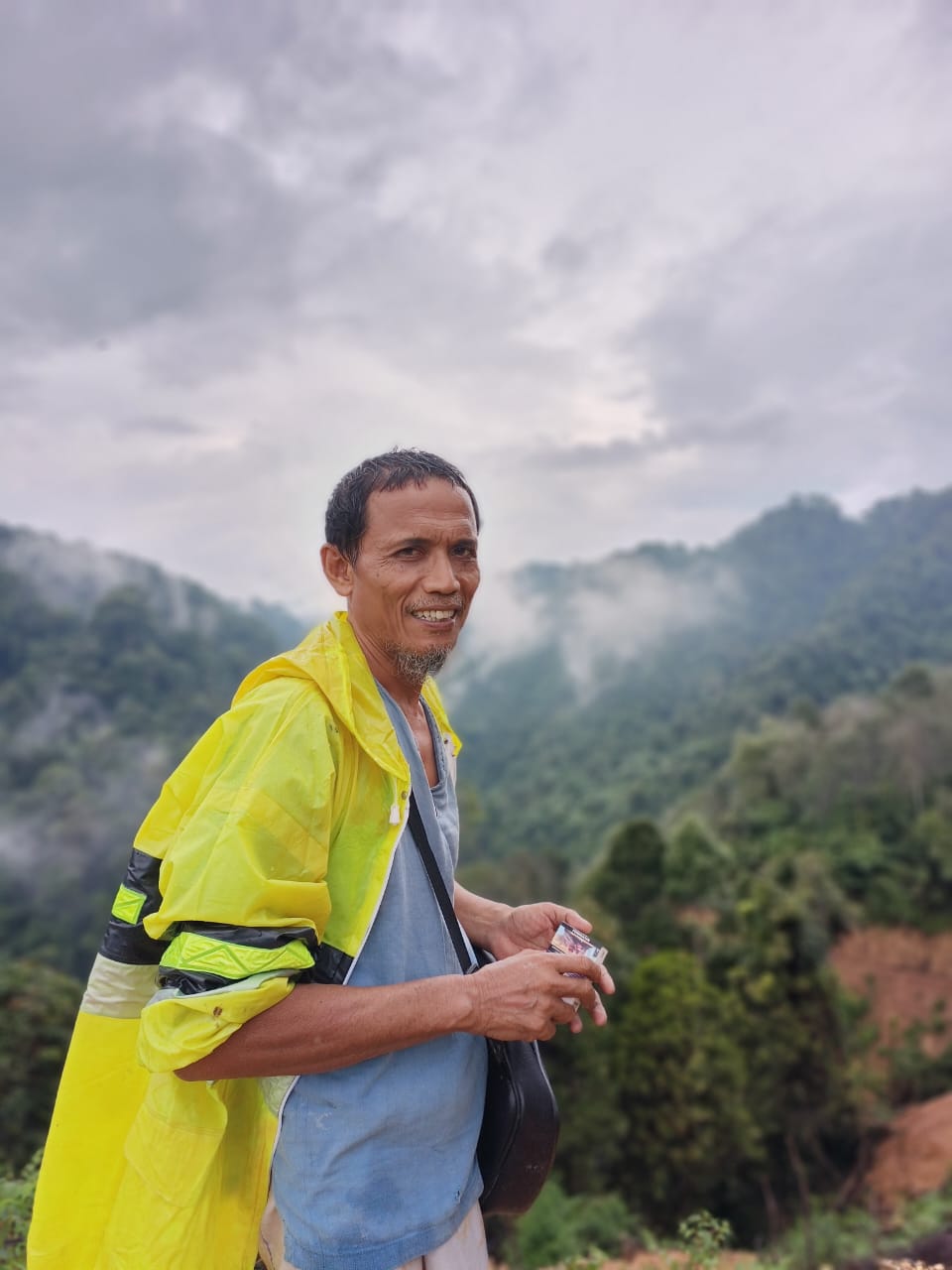
Written by Pak Aca — founder of Back To Nature Ecotourism and a forest guardian in Bukit Lawang.
For many people, forest land is considered productive only after it has been cleared. Pak Aca believes the opposite: a living forest can protect wildlife, support local families and build a lasting economy.
In many parts of Indonesia, privately owned forest is still described as idle land. Land is often considered productive only when it becomes a rubber plantation, an oil-palm plantation or another cultivated area. This way of thinking overlooks everything a standing forest already produces: clean water, cooler air, wildlife habitat, medicinal plants, fruit, knowledge and opportunities for responsible tourism.
Families living near the forest also need secure incomes. When clearing land is the only economic model people know, it is understandable that they choose it. Protecting the forest therefore cannot depend only on rules or criticism. Conservation must also offer practical livelihoods that local people can see, understand and participate in.
More than two decades ago, I began buying small areas of privately owned forest whenever I could. The process was gradual. It required personal savings, time and physical work. Today, the area we protect has grown to approximately 110 hectares beside the wider Gunung Leuser landscape.
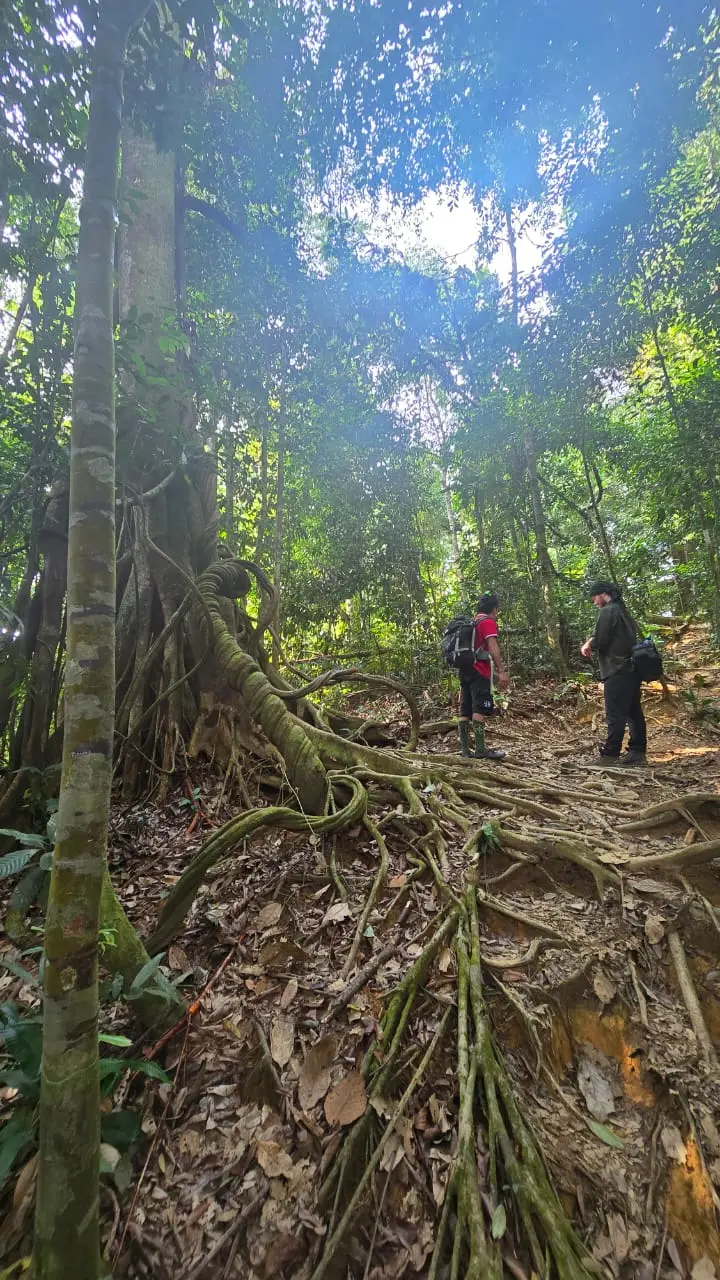
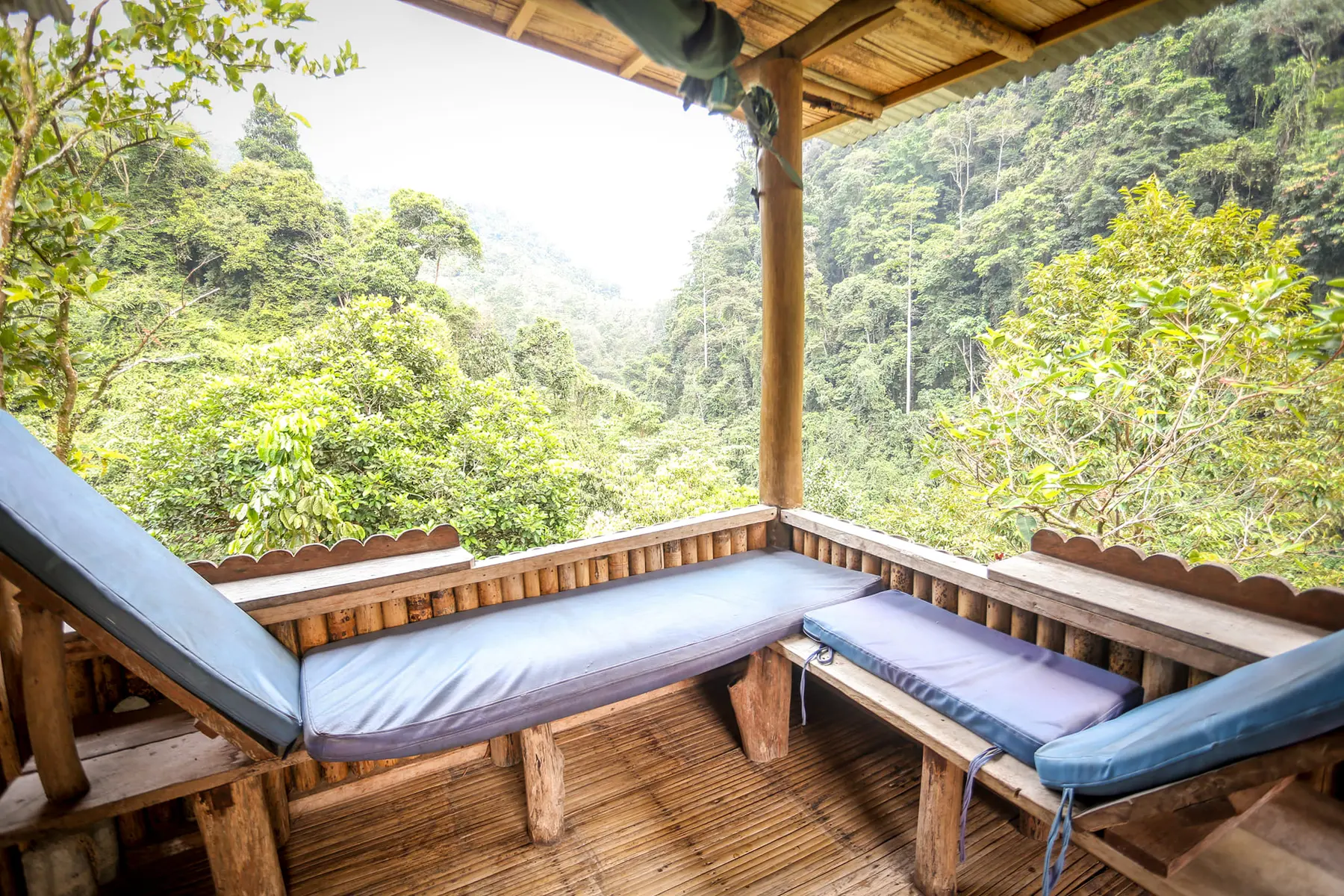
This forest is not a decorative backdrop for our lodge. It is the foundation of Back To Nature Ecotourism. Guests walk into the area, sleep beside the river, learn from local guides and experience why a forest is worth more alive than destroyed.
“The forest does not need to be cleared before it can support an economy. Its life is already its greatest value.” — Pak Aca
Our work is still developing, but several activities already demonstrate what is possible:
The purpose is not to turn every part of the forest into a tourism attraction. Some places must remain quiet. The goal is to use a small, carefully managed footprint to support protection of a much larger living landscape.
Universities, researchers and conservation organisations hold valuable knowledge about forests. But much of that knowledge remains in cities, reports and laboratories. The people who most urgently need practical access to it are often the families living at the forest edge.
When communities understand the long-term economic value of water, medicinal plants, wildlife, fertile soil and responsible tourism, they can become the strongest guardians of the forest. They know the land, notice changes quickly and live with the consequences of every decision.
Local people should not be treated only as a conservation problem or as temporary labour. They must be partners, decision-makers and beneficiaries.
Donations can help, but a forest cannot depend forever on outside sympathy. A stronger model allows protection to generate responsible income, then returns part of that income to the landscape and community that made it possible.
Every stay, trek and locally provided service can contribute to this cycle. Visitors receive a meaningful experience. Local families receive work and new skills. The forest gains practical value while remaining standing.
This is why ecotourism must be more than marketing. It needs limits, honest information, trained local teams and respect for wildlife. If tourism damages the place that attracts visitors, it has failed. If it helps the forest and the surrounding community become more resilient, it can be part of the solution.
No individual, organisation or expert has every answer. Protecting forests requires cooperation between communities, researchers, government, responsible businesses and travellers. We need less distance between scientific knowledge and daily life at the forest edge.
Back To Nature is our working example—not a finished model. We continue to learn from the land, from local families and from guests who come with respect. Our hope is to show that privately owned forest can be protected, that conservation can create dignified work, and that development does not always have to begin with a chainsaw.
Learn more about our conservation story, explore our rainforest eco-lodge, or compare our ethical jungle treks. When you are ready, plan your stay with our local team.
About the writer
Founder of Back To Nature Ecotourism and guardian of approximately 110 hectares of private forest near Gunung Leuser. His notes connect local experience, conservation and community life.
This article was developed from Pak Aca’s original Indonesian notes. The English editing preserves his ideas while organising them for an international audience.